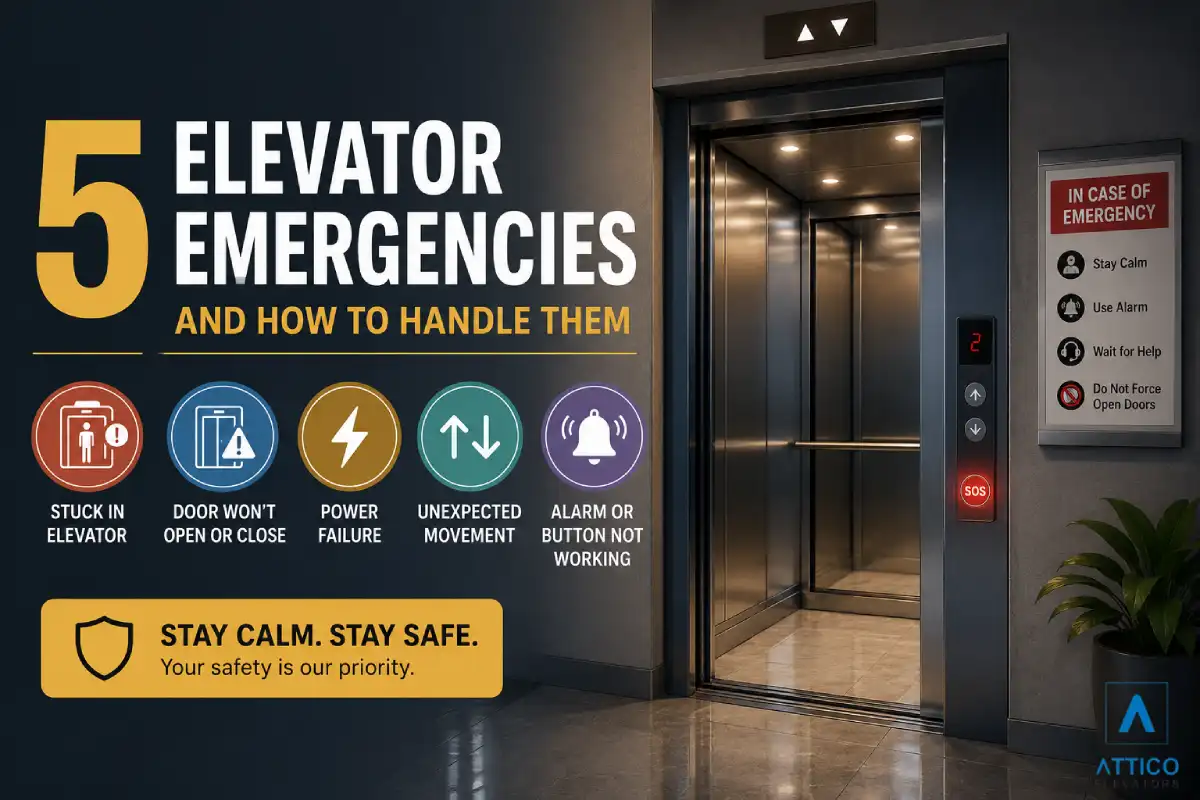



A home elevator is one of the most valuable additions you can make to your home that enhance convenience, accessibility, or add a touch of luxury. Just like any important home appliance or system, elevator for home needs regular care to ensure it keeps running smoothly, safely, and efficiently. The good news is that home elevator maintenance doesn’t need to be complicated. With the right routine and professional support, your lift can last for decades with trouble-free operation.
This guide breaks down everything you need to know about home elevator maintenance in an easy, homeowner-friendly checklist.
Why Home Elevator Maintenance Matters?
Home elevator carries your family, children, elderly parents, and sometimes even heavy items between floors. Proper maintenance ensures:
- Smooth and quiet performance
- Safety during daily use
- Fewer breakdowns
- Longer lifespan of components
- Lower long-term repair costs
- Peace of mind for everyone using the lift
Daily and Weekly Elevator Maintenance Tips for Homeowners
While technical servicing should be done by professionals, homeowners can perform simple checks regularly to keep the elevator condition smooth and healthy.
- Keep the Elevator Clean
Dust, dirt, and debris can affect moving components over time. Wipe down cabin walls, buttons, mirrors, and flooring to maintain hygiene and reduce wear. Do not overuse water for cleaning inside the lift cabin.
- Check for Unusual Noises
Any new sound, like grinding, squeaking, or vibration should be reported immediately. It often indicates misalignment or parts needing lubrication.
- Ensure the Doors Move Smoothly
Doors should open and close without hesitation. If you notice jerks, delays, or partial opening, call your technician. Door issues are the most common cause of elevator breakdowns.
- Avoid Overloading
Every lift has a recommended weight limit. Overloading puts stress on the motor, ropes, and safety systems. Encourage family members to follow the limit.
Find This: Safety Tips for Using an Elevator
- Monitor Power Fluctuations
If your home frequently experiences voltage drops, consider a stabilizer. Some lifts also use ARD (Automatic Rescue Device) to reach the nearest floor safely.
Monthly Checklist: What Homeowners Should Observe
You don’t have to open panels or touch machinery, just observe your elevator’s response in daily usage.
- Check the Ride Quality
A properly maintained elevator travels smoothly with gentle start and stop. Sudden jerks or uneven leveling need attention.
- Look at Panel Indicators
If any button or digital indicator flickers, doesn’t respond, or shows errors, call for servicing.
- Test Emergency Features
Ensure the alarm button and intercom (if installed) are working. These features are essential during power cuts or unexpected stops.
Professional Preventive Maintenance Tasks
These tasks should always be performed by a certified elevator company. You can ask your service provider at time of installation for AMC and regular servicing time period.
- Door Alignment & Sensor Testing
Technicians ensure:
- Doors align perfectly
- Sensors detect any obstruction
- Door motors operate smoothly
A healthy door system greatly reduces the risk of breakdowns.
- Drive System Inspection
Whether you are going for traction technology, hydraulic lift for home, or platform-based, the drive system must be checked for:
- Rope tension
- Counterweight balance
- Oil/fluid levels (for hydraulic lifts)
- Motor temperature
- Gear condition
This ensures a quiet and energy-efficient ride.
- Control Panel & Electrical Checks
Technicians inspect many things such as PCB boards, wiring, fuses, relays, Battery backup / ARD system and emergency stop. This prevents sudden shutdowns or electrical faults.
- Lubrication of Rails & Moving Parts
Smooth rails prevent friction, noise, and vibration. Proper lubrication also extends the lifespan of rollers, bearings, and mechanical components.
- Shaft, Pit & Guide Rail Check
The service team will examine:
- Shaft cleanliness
- Pit water accumulation (common in ground floors)
- Guide rail alignment
- Buffers and springs
A clean pit keeps pests and moisture away from important parts.
- Cabin & COP (Control Operating Panel) Inspection
Elevator experts verify buttons, displays, lights, ventilation fans and Interior panels. They go for fixing any damaged or loose item immediately.
Annual Maintenance Essentials for Home Elevator
Once a year, request a full system health check.
- Performance Diagnostics
Modern elevators often include digital logs showing:
- Fault history
- Voltage irregularities
- Door behaviour
- Motor performance
These diagnostics help technicians address issues before they become major failures.
- Replace Worn-Out Components
Parts like rollers, door guides, belts, and seals may need replacement over time. Early replacement prevents sudden shutdowns and keeps your lift running reliably.
Find Here: Essential Services Provided by an Elevator Company
Smart Tips to Extend the Life of Your Home Elevator
- Avoid forcefully pushing doors.
- Keep the elevator area clutter-free.
- Use the lift responsibly, don’t let children treat it like a play zone.
- Choose a reputable elevator company with quick service support.
- Never skip scheduled maintenance visits.
A well-maintained elevator can last 20–25+ years without major issues.
When Should You Call a Technician Immediately?
Contact your service provider if you notice:
- Jerky movement
- Slower ride than usual
- Error codes on the display
- Unusual door behaviour
- Strange noises
- Burning smell
- Cabin misalignment with the floor
Delaying repairs can turn minor issues into expensive problems.
Final Thoughts
Home elevator maintenance is not complicated, most tasks are simple observations you can do yourself, backed by regular professional servicing. With the right care and following correct maintenance tips, your elevator will stay smooth, safe, and reliable for years, offering comfort and independence for your family.